


Official Letter on the Environmental Monitoring Guidance

On 19 October 2026, the Environment Department (Ministry of Agriculture and Environment) issued Official Letter No. 4028/MT-CLMT to the Departments of Agriculture and Environment of provinces and cities, providing guidance on environmental monitoring. The Letter follows the suspension or interruption of operations by several monitoring service providers, which has caused difficulties for project owners and facilities.
Key content
- Project owners and facilities must monitor wastewater, dust and emissions for the parameters and at the frequency set in their environmental permit (Articles 97 and 98 of Decree 08/2022/ND-CP, as amended by Decree 05/2025/ND-CP and Decree 48/2026/ND-CP). The law does not allow this obligation to be extended, postponed or carried over to the next period.
- Choosing a monitoring provider: under Resolution 66.19/2026/NQ-CP, providers self-declare their capacity rather than undergo a certification process. Under Circular 02/2022/TT-BTNMT, 192 organizations have so far been granted a Certificate of Eligibility for environmental monitoring services; businesses can follow the list on the Administrative Procedure Information System of the Ministry of Agriculture and Environment (motcua.mae.gov.vn) and on the Environment Department website (vea.mae.gov.vn).
- Trial operation: owners may self-monitor if they meet the technical requirements, or hire a qualified provider, in accordance with Circular 10/2021/TT-BTNMT.
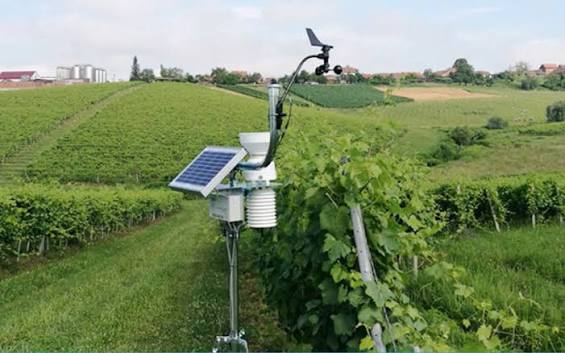
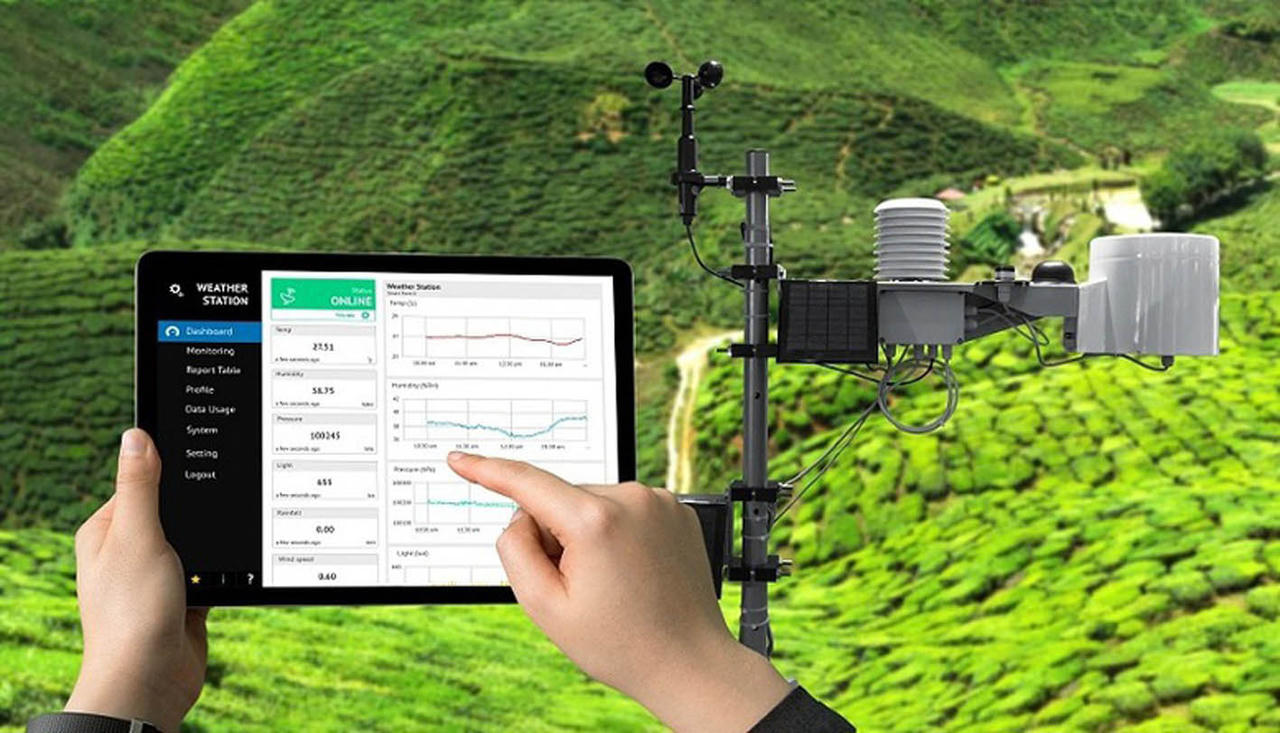
- Automatic, continuous monitoring systems that are down for 48 hours or more: manual replacement monitoring is required, with results retained and sent to the Department of Agriculture and Environment, and the equipment must be repaired promptly.
- Environmental protection fees: the Departments of Agriculture and Environment and businesses continue to rely on Decree 346/2025/ND-CP (wastewater), which sets how fees are determined when monitoring results are unavailable or in cases of force majeure, and Decree 153/2024/ND-CP (emissions), which sets the basis for determining the fee payable.
Responsibilities of the parties
Project owners and facilities must proactively select a qualified provider to carry out monitoring. If none can be found, they must keep records of their search, contacts, contracts and documents clearly stating the reasons, to provide when competent authorities request them; force majeure cases and penalties are determined under the law on handling administrative violations. The Departments of Agriculture and Environment guide businesses in planning and monitoring, urge the repair of automatic equipment, and step up inspection of facilities not yet fully monitoring.
Recommendations for businesses
- Proactively look for monitoring providers with sufficient capacity that comply with the regulations and your environmental permit, and cross-check the parameters and frequency in the permit.
- Check that the monitoring service provider is on the published list and covers the full scope of capacity; you may work with more than one organization, as suits your business.
- If monitoring is not yet possible: keep search records, operate the treatment system properly, track operating parameters, retain samples and log data; these measures do not replace the monitoring obligation.
- If samples were taken but the monitoring provider is suspended or cannot issue results: review the sample conditions and storage time; if the samples no longer meet requirements, re-monitor promptly.
See the full text of the Official Letter at the link.